Published on Tuesday, 23 June 2026 at 9:34:10 AM
WHAT IS PAIN — AND WHY DO YOU HAVE IT?
Most people will experience significant pain at some point in their lives. But when pain persists long after an injury should have healed, it can become frustrating, confusing, and even life-changing.
In Australia, around 1 in 5 adults live with chronic (persistent) pain, making it one of the most common and impactful health conditions today.
Yet despite how common it is, many people don’t fully understand why their pain continues — and that misunderstanding can actually make things worse.
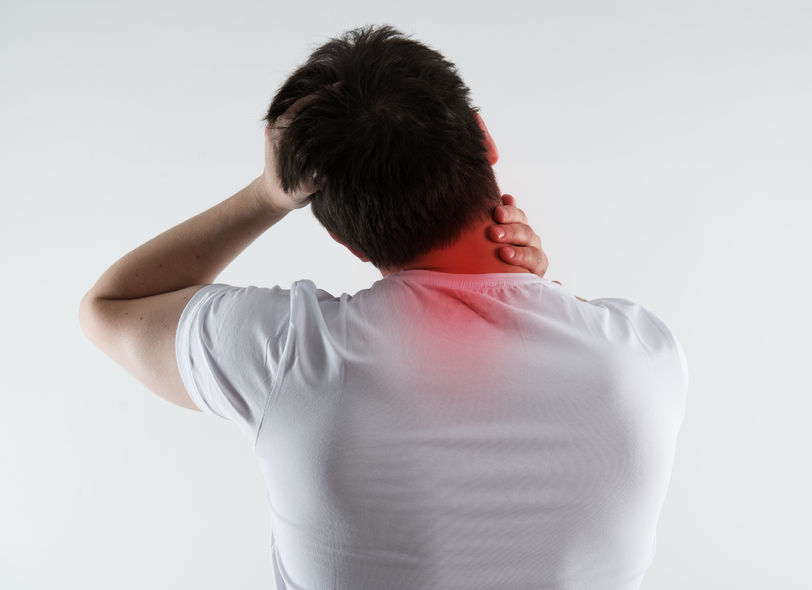
The biggest mistakes made by people with chronic pain
Without a clear understanding of pain, it’s easy to fall into patterns of behaviour that keep it going:
-
The “pain downward spiral”
Those in pain often move less, and over time this can result in:
- Increased stiffness
- Reduced joint strength and control
- Weight gain
- Greater sensitivity to movement when active
This can create a cycle where the body becomes less resilient, and everyday activities feel more painful.
-
Over-reliance on medication
Pain relief medications can play an important role in pain management, especially short-term. But relying on them alone and long term, often doesn’t address the underlying drivers of persistent pain.

-
Living in fear of movement
Many people begin to avoid activities that they associate with pain — like walking, exercising, or even playing with their kids or grandkids.
While understandable in the short term, longer term this avoidance can actually increase sensitivity over time and reduce one's quality of life. Not surprisingly, chronic pain is associated with several psychological and mental health conditions such as depression, anxiety, insomnia and post traumatic stress disorder (PTSD).
So what is pain, really?
At its core, pain is a unpleasant protective response generated by your nervous system and brain. Its job is to alert you to potential or actual tissue damage and encourage you to protect yourself. However pain is not simply a signal from injured tissues, but rather, it is a behaviour generated in the brain which is influenced by psychological, emotional, and social factors. This is why different people can experience it differently.
For example:
- If person A rolls their ankle, pain is considered mild but encourages the person to offload it so they limp a little but continue on.
- If person B rolls their ankle to the same degree, pain is considered agonising and they suffer anxiety and can't go on without assistance.
Think of pain like a warning light on your dashboard — it’s there to protect you, but sometimes the warning light can malfunction!
Why does pain sometimes not go away?
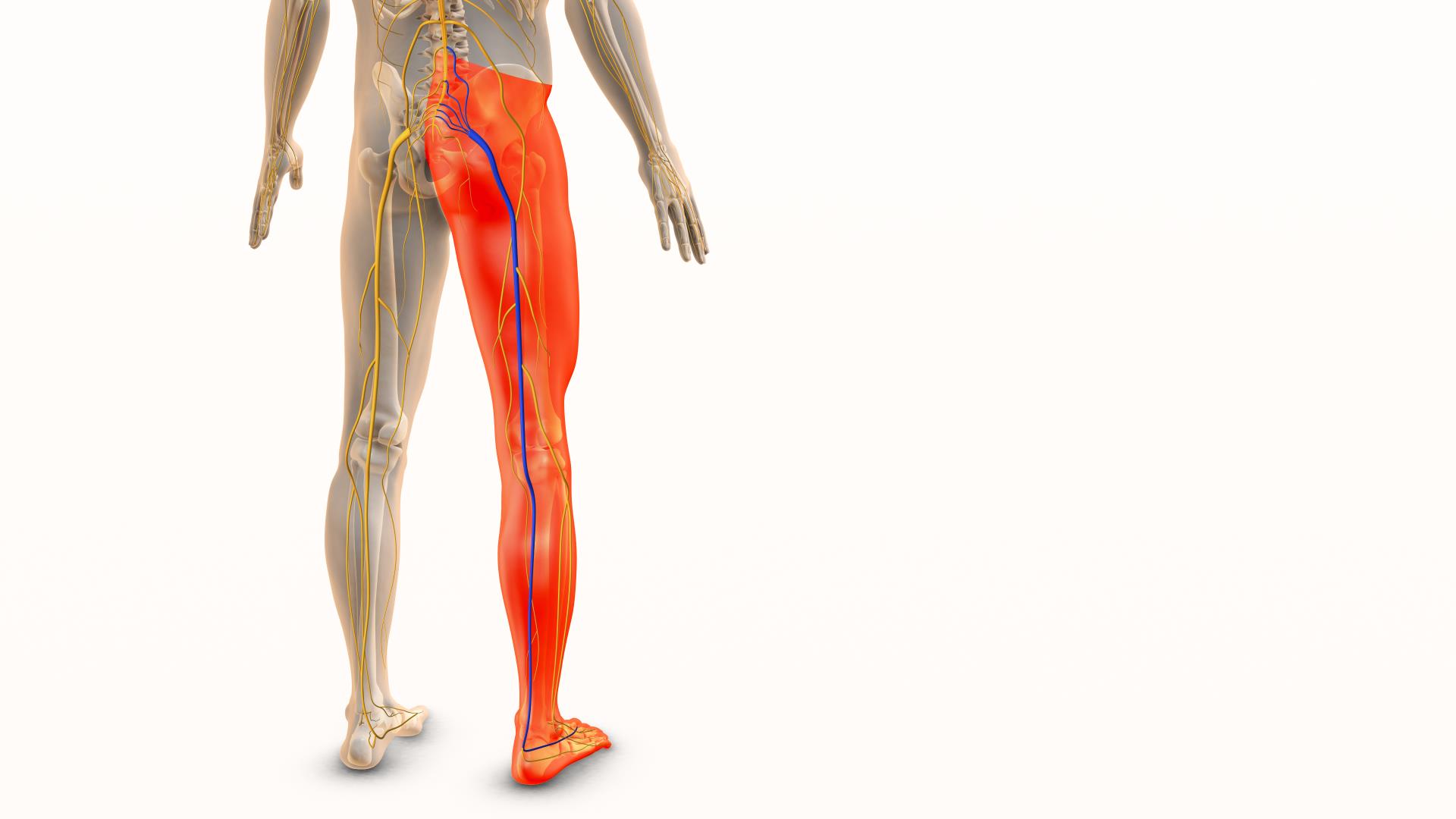
In many cases of chronic pain, the issue isn’t ongoing injury — it’s how the body is processing nerve signals.
Research shows that the nervous system can become more sensitive over time, a process known as central sensitisation. This means the system begins to preferentially produce pain — even in response to normal movement or tissue loading.
A helpful way to think about this is like a car alarm that has become overly sensitive and activates even if a leaf falls on the bonnet.
Importantly, this doesn’t mean the pain is “in your head.” It means part of your nervous system is doing its job too well.
Why rest alone isn’t the solution
The old advice of “just rest until it settles” falls short when it comes to persistent pain.
That’s because long-term pain involves:
- The body (muscles, joints, tissues)
- The nervous system (sensitivity and processing)
- Behaviour (movement habits, fear, activity levels)
Recovery requires addressing all of these — not just waiting for tissues to heal.
Where does manual therapy fit in?
At it's core manual therapy focuses on improving how your body moves and how your nervous system responds to that movement.
Through hands-on treatment and guided rehabilitation, the goal is to:
- Improve joint mobility
- Support better muscle activation and coordination
- Reduce mechanical strain
- Gradually desensitise the nervous system
Evidence shows that treatments like spinal manipulation and mobilisation can provide improvements in pain and function, along with other modalities like exercise-based care, which is of course part of the suite of therapeutic options available at our clinic.
What treatments might be used?
A modern, evidence-informed approach may include a combination of the following:
Manual therapy (manipulation, mobilisation and soft tissue therapy)
Hands-on treatment helps improve joint function and reduce the painful signals often generated by dysfunctional tissues.
It may also influence how the nervous system processes sensory input from joints and muscles and then activates the muscles to enhance spinal co-ordination and stability. In addition the areas of the brain which receives input from the joints is able to turn down the excitability of the pain receptors in the spinal cord, meaning that a higher pain threshold is obtained.
Instrument-assisted techniques
For those who prefer a gentler approach, specialised instruments can provide controlled, specific, low-force treatment options which have the same outcomes as traditional manual therapy.
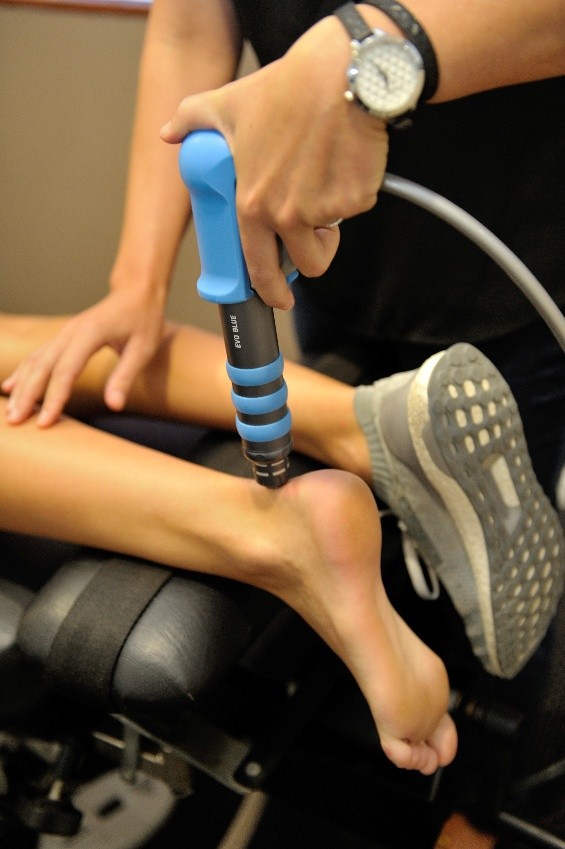
Shockwave therapy
Shockwave therapy is a non-invasive treatment that uses acoustic (sound) waves to stimulate the body's natural healing response. It can be particularly helpful for long-standing pain that has not improved with rest, exercise, or other treatments.
The therapy works by encouraging tissue repair, improving circulation, and helping to reduce the body's heightened pain response. This can be beneficial when healing has slowed or when pain persists even after the original injury has recovered.
Research supports shockwave therapy for conditions such as Achilles tendinopathy, tennis elbow, plantar fasciitis, and some chronic back and neck pain conditions.
At Geraldton Health Centre, we use industry-leading EMS Shockwave Therapy equipment to deliver safe, effective, and evidence-based care.
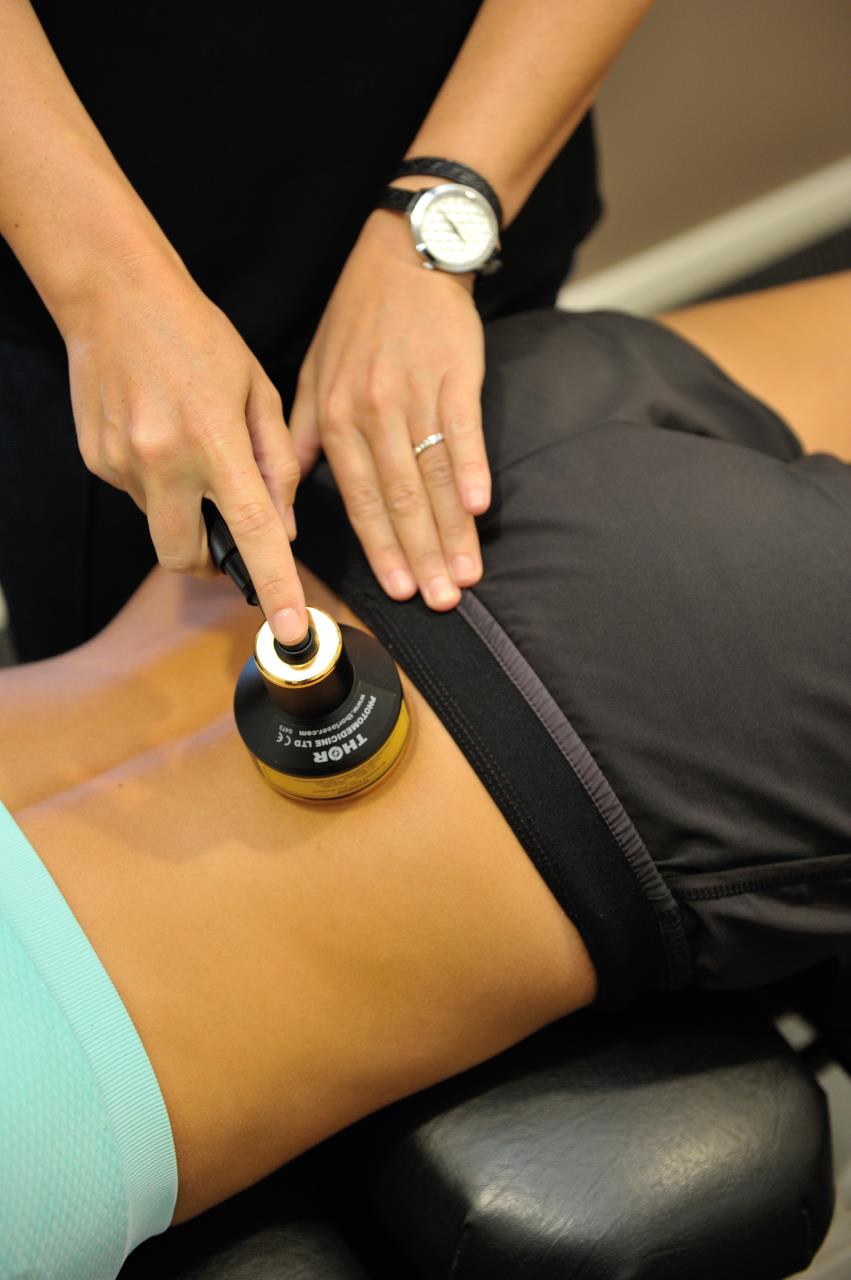
Low-level laser therapy
This treatment uses light energy to support tissue repair, inhibit pain and reduce inflammation in many cases. Low level laser therapy is used by the US and UK militaries, elite sporting organisations and medical and research institutions such as Harvard Medical School. Geraldton Health Centre uses 'gold standard' THOR laser products.
Rehabilitation and exercise
Exercise is one of the most effective tools for long-term pain management.
It helps by:
- Building strength and joint stability
- Improving movement confidence
- Reducing sensitivity over time
- Breaking the fear-avoidance cycle

Just as importantly, successful movement without flare-ups sends powerful signals to the brain that the body is safe, helping to calm an overprotective system.
The takeaway
Chronic pain is complex — but it is also manageable.
Understanding that pain is not always a sign of damage, but often a sign of sensitivity, is a powerful first step toward recovery.
With the right combination of:
- Education
- Movement
- Hands-on care
- Gradual exposure to activity
…it’s possible to reduce pain, restore confidence, and get you back to doing the things that bring you joy.
Want help understanding your pain?
If you’ve been dealing with ongoing pain, a tailored assessment can help identify what’s driving it — and create a plan to move forward safely and confidently.
Back to All News